Modern Sporting Pistols
(83)- Modern Sporting Pistol
 Filters
 Ship To Store
Ship to FFL
Ship To Store
Ship to FFL
 Ship To Store
Ship to FFL
Ship To Store
Ship to FFL

Zastava ZPAP92 with Tactical SBA3 Brace 7.62x39mm 10in Blued Modern Sporting Pistol - 30+1 Rounds
Ship To Store
Ship to FFL
 Ship To Store
Ship to FFL
Ship To Store
Ship to FFL
 Ship To Store
Ship to FFL
Ship To Store
Ship to FFL
 Ship To Store
Ship to FFL
Ship To Store
Ship to FFL
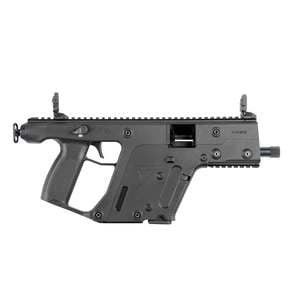
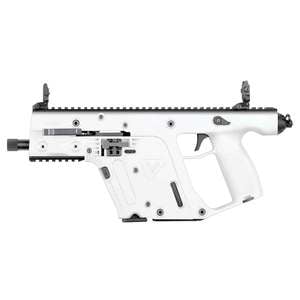
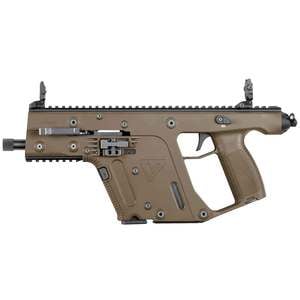
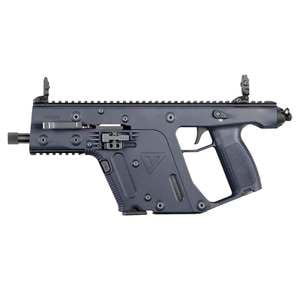
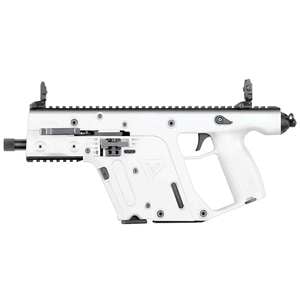
KRISS Vector SDP GEN II 9mm Luger 5.5in Black Nitride Modern Sporting Pistol - 40+1 Rounds
Ship To Store
Ship to FFL
 Ship To Store
Ship to FFL
Ship To Store
Ship to FFL
 Ship To Store
Ship to FFL
Ship To Store
Ship to FFL
 Ship To Store
Ship to FFL
Ship To Store
Ship to FFL
 Ship To Store
Ship to FFL
Ship To Store
Ship to FFL
 Ship To Store
Ship to FFL
Ship To Store
Ship to FFL
 Ship To Store
Ship to FFL
Ship To Store
Ship to FFL
 Ship To Store
Ship to FFL
Ship To Store
Ship to FFL

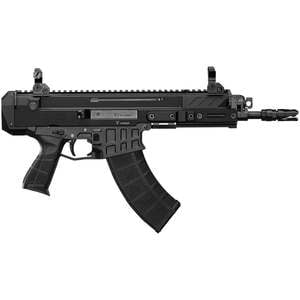
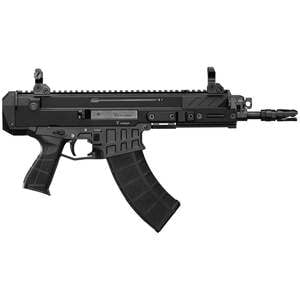
Smith & Wesson M&P15 5.56mm NATO 7.5in Black Modern Sporting Pistol - 30+1 Rounds
Ship To Store
Ship to FFL
 Ship To Store
Ship to FFL
Ship To Store
Ship to FFL
 Ship To Store
Ship to FFL
Ship To Store
Ship to FFL
 Ship To Store
Ship to FFL
Ship To Store
Ship to FFL
 Ship To Store
Ship to FFL
Ship To Store
Ship to FFL
 Ship To Store
Ship to FFL
Ship To Store
Ship to FFL
 Ship To Store
Ship to FFL
Ship To Store
Ship to FFL


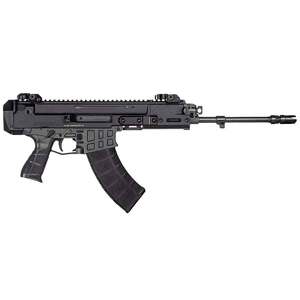
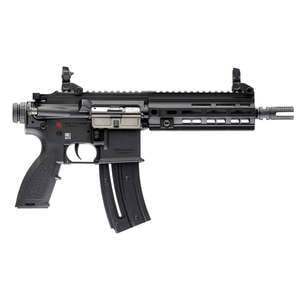
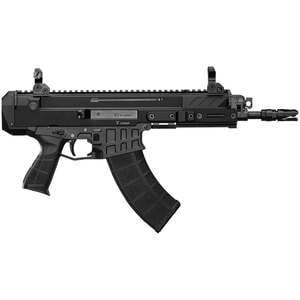
Patriot Ordnance Factory Rebel M-LOK 22 Long Rifle 8in Black Modern Sporting Pistol - 10+1 Rounds
Ship To Store
Ship to FFL
 Ship To Store
Ship to FFL
Ship To Store
Ship to FFL
 Ship To Store
Ship to FFL
Ship To Store
Ship to FFL
 Ship To Store
Ship to FFL
Ship To Store
Ship to FFL
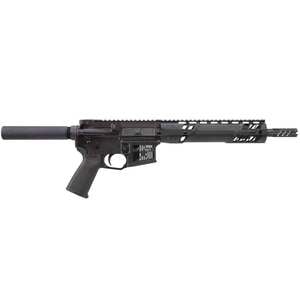
F1 Firearms FDR-15-3G 223 Wylde 10.5in Black Modern Sporting Pistol - No Magazine
Ship To Store
Ship to FFL
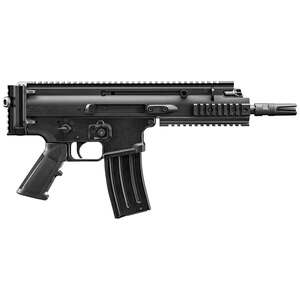
FN SCAR 15P 5.56mm NATO 7.5in Black Anodized Modern Sporting Pistol - 30+1 Rounds
Ship To Store
Ship to FFL

FN SCAR 15P 5.56mm NATO 7.5in FDE Anodized Modern Sporting Pistol - 10+1 Rounds
Ship To Store
Ship to FFL
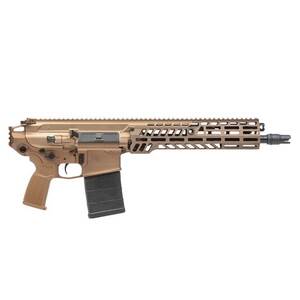
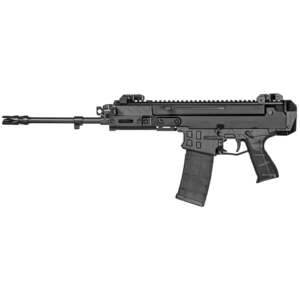
Sig Sauer MCX Spear 7.62mm NATO 13in Coyote Tan Anodized Modern Sporting Pistol - 20+1 Rounds
Ship To Store
Ship to FFL
 Ship To Store
Ship to FFL
Ship To Store
Ship to FFL
 Ship To Store
Ship to FFL
Ship To Store
Ship to FFL
 Ship To Store
Ship to FFL
Ship To Store
Ship to FFL
 Ship To Store
Ship to FFL
Ship To Store
Ship to FFL
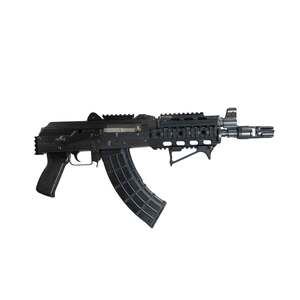
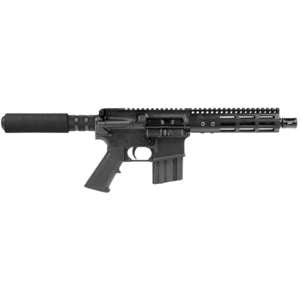
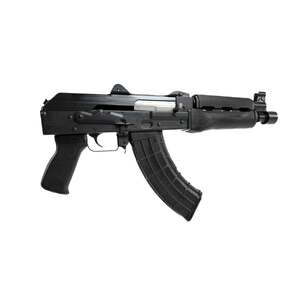
Zastava Arms ZPAP M92 w/ Quad Rail 7.62x39mm 10in Blued Modern Sporting Pistol - 30+1 Rounds
Ship To Store
Ship to FFL
 Ship To Store
Ship to FFL
Ship To Store
Ship to FFL
 Ship To Store
Ship to FFL
Ship To Store
Ship to FFL
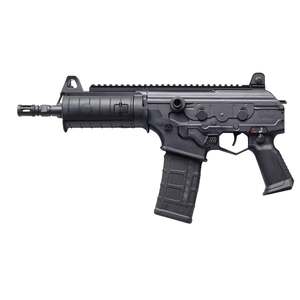
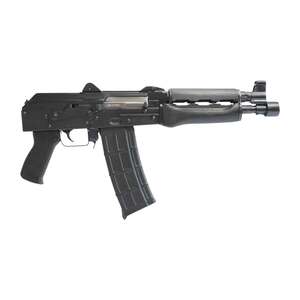
IWI Galil Ace SAP 5.56mm NATO 8.3in Black Modern Sporting Pistol - 30+1 Rounds
Ship To Store
Ship to FFL
 Ship To Store
Ship to FFL
Ship To Store
Ship to FFL
 Ship To Store
Ship to FFL
Ship To Store
Ship to FFL
 Ship To Store
Ship to FFL
Ship To Store
Ship to FFL
 Ship To Store
Ship to FFL
Ship To Store
Ship to FFL
 Ship To Store
Ship to FFL
Ship To Store
Ship to FFL
 Ship To Store
Ship to FFL
Ship To Store
Ship to FFL
 Ship To Store
Ship to FFL
Ship To Store
Ship to FFL
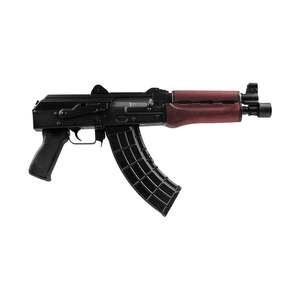
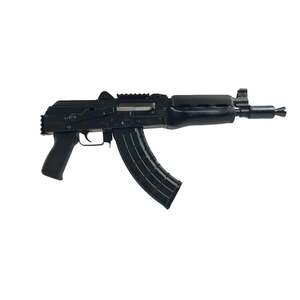
Zastava Arms ZPAP M92 7.62x39mm 10in Blued/Serbian Red Wood Modern Sporting Pistol - 30+1 Rounds
Ship To Store
Ship to FFL
An AR-15 pistol is a short-barreled AR-15-pattern firearm that is legally classified as a handgun by federal law (ATF/NFA). It is built on the same lower receiver, controls, BCG, and magwell as a standard AR-15, but features a shorter barrel, typically between 7 and 12 inches, and uses a pistol brace or bare buffer tube in place of a traditional shoulder stock. Because it does not have a fixed stock, it is not classified as a Short-Barreled Rifle (SBR), meaning no NFA tax stamp or registration is required.
AR-15 pistols and short-barreled rifles (SBRs) look almost identical but land in very different legal categories.
An AR-15 pistol has a barrel under 16 inches and no shoulder stock: just a bare buffer tube or stabilizing brace. Because it's classified as a handgun, it does not require a tax stamp or ATF registration, although brace regulations and state laws can complicate matters.
An SBR is essentially the same setup, except it has a shoulder stock attached, and that one difference changes everything. SBRs are NFA-regulated, meaning you need ATF approval, a $200 tax stamp, and registration before you can legally own one.
Short version: stock = SBR = NFA paperwork. No stock = pistol = much simpler.
AR-15 pistols are legal under federal law when they meet the definition of a handgun (short barrel, no shoulder stock, not an unregistered NFA firearm). State and local laws vary widely, and some jurisdictions restrict AR-style pistols, magazine capacity, or certain “assault weapon” features. Sportsmans Warehouse only sells and transfers firearms, including AR-15 pistols, in compliance with current federal and applicable state law; if a specific AR-15 pistol is available for purchase or transfer in your state through Sportsmans Warehouse, it meets existing legal requirements there.
The most common caliber for AR-15 pistols is 5.56 NATO/.223 Remington, which offers familiar AR performance in a shorter package. Many shooters also choose .300 AAC Blackout because it was designed to work efficiently in short barrels and performs very well with supersonic and subsonic loads, especially when suppressed. Other popular AR-15 calbers include the 9mm for home defense, 7.62x39mm for niche builds, and the 6.5 Grendel.
There is no one best barrel that stands out. AR pistols come with a variety of barrel lengths based on the shooter's or expert's preference.
The 7.5 to 10.3 in barrel lengths are what is preferred by gun experts and the military for CQB (close quarter combat operations), largely due to maneuverability. The downside is significant velocity loss, more blast and concussion.
The 11.5-inch barrel is becoming a second close over the 10.3 due to the dwell time and smoother function. This has become the go-to length among SWAT and military teams. The 12.5-inch barrel is becoming popular for the same reason. The 10.3 inch is preferred as it gains velocity without sacrificing much in the way of maneuverability.
The 14.5-inch barrel, which is used with the M4 rifle is preferred by those with home defense in mind as the maneuverability drops, but the velocity is much improved.
The basic premise is this: the shorter the barrel, the lower velocity, rougher function, and less range, and the greater maneuverability, reaction time, and target acquisition. The longer the barrel, the more reduced maneuverability, slower reaction time, and longer target acquisition time, with improved velocity, smoother function, and range.

