Lever Action Rifles
(220)- Lever Action
 Filters
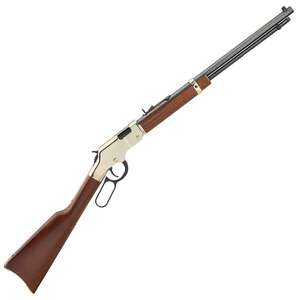
Henry Brass Side Gate 30-30 Winchester Polished Hardened Lever Action Rifle - 20in
 Pick Up in Store
Ship to FFL
Pick Up in Store
Ship to FFL
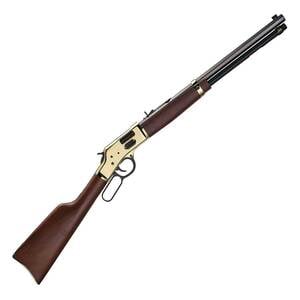
Henry Big Boy 357 Magnum Brass Side Gate Polished Hardened Brass Lever Action Rifle - 20in
Pick Up in Store
Ship to FFL
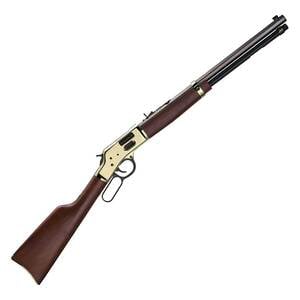
Henry Big Boy Brass Side Gate 44 Magnum Polished Hardened Brass Lever Action Rifle - 20in
Pick Up in Store
Ship to FFL

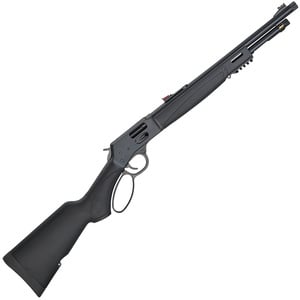
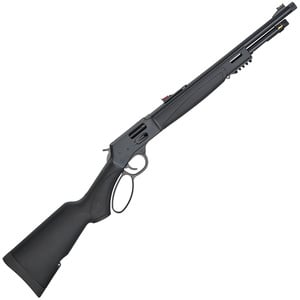
Smith & Wesson Model 1854 Stealth Hunter 30-30 Winchester Black Lever Action Rifle - 16.5in
Ship To Store
Ship to FFL
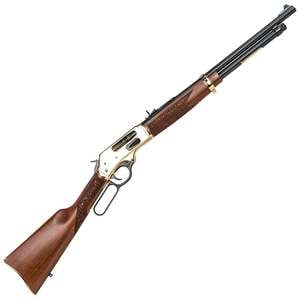
Henry Side Gate 45-70 Government Polished Brass Lever Action Rifle - 20in
Pick Up in Store
Ship to FFL

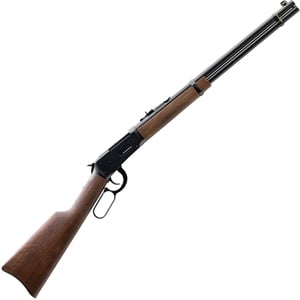
Winchester Ranger 22 Long Rifle Satin Oil/Matte Black Lever Action Rifle - 20in
Pick Up in Store
Ship to FFL

Henry H10 Protector Carbine 45-70 Government Blued Steel/Walnut Lever Action Rifle - 16.5in
Pick Up in Store
Ship to FFL
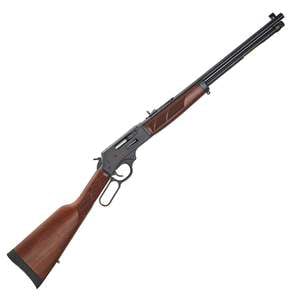
Henry Side Gate 30-30 Winchester Blued/Walnut Lever Action Rifle - 20in
Pick Up in Store
Ship to FFL
 Pick Up in Store
Ship to FFL
Pick Up in Store
Ship to FFL
 Pick Up in Store
Ship to FFL
Pick Up in Store
Ship to FFL
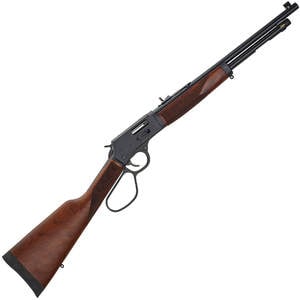
Henry Big Boy Steel Carbine Side Gate 44 Magnum Blued/Walnut Lever Action Rifle - 16.5in
Ship To Store
Ship to FFL
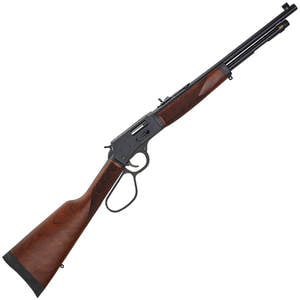
Henry Big Boy 357 Magnum Steel Carbine Side Gate Blued/Walnut Lever Action Rifle - 16.5in
Ship To Store
Ship to FFL
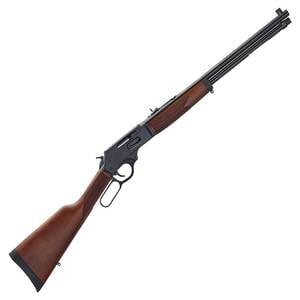
Henry Steel Lever Action Side Gate 360 Buckhammer Blued Steel Lever Action Rifle - 20in
Ship To Store
Ship to FFL

Smith & Wesson Model 1854 Stealth Hunter 44 Magnum Black Armornite Lever Action Rifle - 16.3in
Ship To Store
Ship to FFL

Smith & Wesson Model 1854 Stealth Hunter 357 Magnum Black Lever Action Rifle - 16.3in
Ship To Store
Ship to FFL
 Ship To Store
Ship to FFL
Ship To Store
Ship to FFL

Smith & Wesson 1854 Stealth Hunter 45 (Long) Colt Black Anodized Lever Action Rifle - 16.3in
Ship To Store
Ship to FFL
 Ship To Store
Ship to FFL
Ship To Store
Ship to FFL
 Pick Up in Store
Ship to FFL
Pick Up in Store
Ship to FFL
 Pick Up in Store
Ship to FFL
Pick Up in Store
Ship to FFL

Smith & Wesson Model 1854 45-70 Government Walnut Lever Action Rifle - 20in
Pick Up in Store
Ship to FFL
 Pick Up in Store
Ship to FFL
Pick Up in Store
Ship to FFL
 Pick Up in Store
Ship to FFL
Pick Up in Store
Ship to FFL
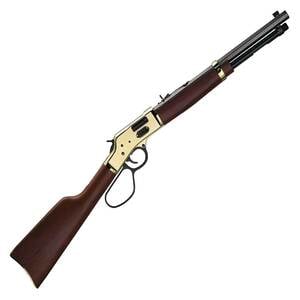
Henry Big Boy Brass Side Gate Carbine 44 Magnum Polished Hardened Brass Lever Action Rifle - 16.5in
Ship To Store
Ship to FFL
 Ship To Store
Ship to FFL
Ship To Store
Ship to FFL
 Ship To Store
Ship to FFL
Ship To Store
Ship to FFL
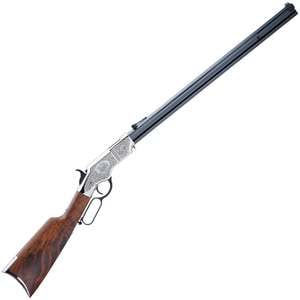
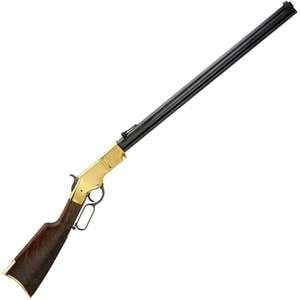
Henry Original Silver Deluxe Engraved 44-40 Winchester Polished/Blued Lever Action Rifle - 24.5in
Ship To Store
Ship to FFL
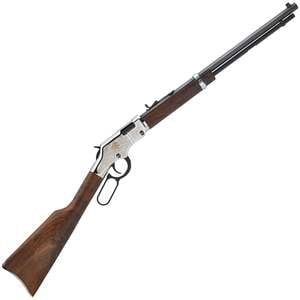
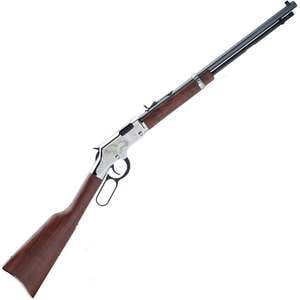
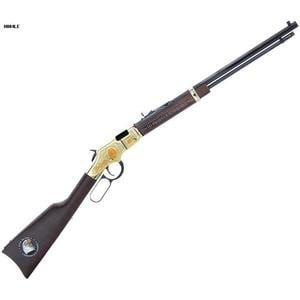
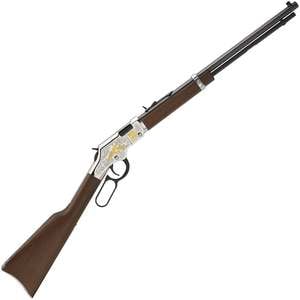
Henry Silver Eagle 2nd Edition 22 Long Rifle Engraved Nickel Receiver Lever Action Rifle - 20in
Ship To Store
Ship to FFL
 Ship To Store
Ship to FFL
Ship To Store
Ship to FFL
 Ship To Store
Ship to FFL
Ship To Store
Ship to FFL
 Ship To Store
Ship to FFL
Ship To Store
Ship to FFL
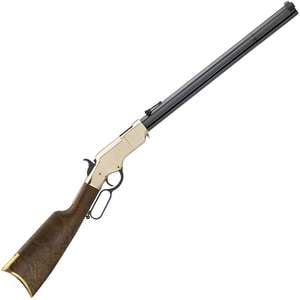
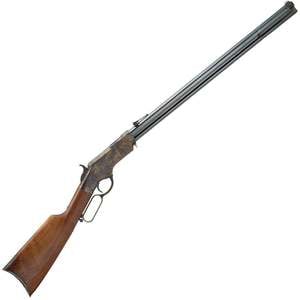
Henry The Original Henry Rare Carbine 44-40 Winchester Brass/Blued Lever Action Rifle - 20.5in
Ship To Store
Ship to FFL
 Ship To Store
Ship to FFL
Ship To Store
Ship to FFL
 Ship To Store
Ship to FFL
Ship To Store
Ship to FFL
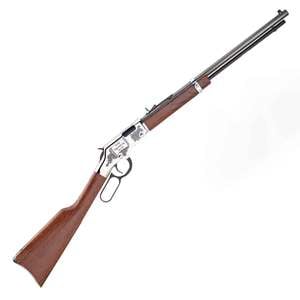
Henry Golden Boy Silver Fathers Day Edition 22 Long Rifle Blued/Nickel Plated Lever Action Rifle
Ship To Store
Ship to FFL
 Ship To Store
Ship to FFL
Ship To Store
Ship to FFL
 Ship To Store
Ship to FFL
Ship To Store
Ship to FFL
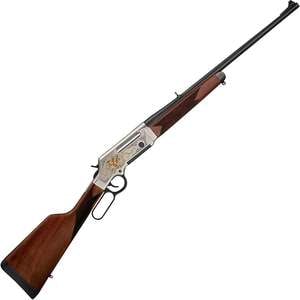
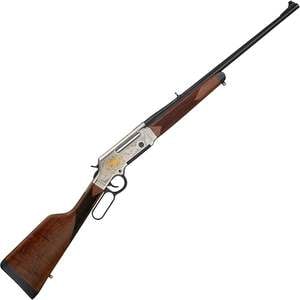
Henry Long Ranger Antelope Wildlife Edition 243 Winchester Nickel Plated Lever Action Rifle
Ship To Store
Ship to FFL
 Ship To Store
Ship to FFL
Ship To Store
Ship to FFL
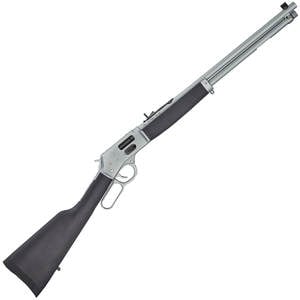
Henry Big Boy All-Weather Side Gate 357 Magnum Blued/Black Hardwood Lever Action Rifle - 20in
Ship To Store
Ship to FFL
 Ship To Store
Ship to FFL
Ship To Store
Ship to FFL
A lever action rifle works by cycling the action with a lever loop that’s located behind the trigger. Pushing the lever downward ejects a spent shell casing from the chamber, while pulling the lever back up loads a new round from the magazine into the chamber.
Most lever actions are loaded using a tubular magazine that’s positioned underneath the barrel, but some more modern lever action designs (such as the Browning BLR and the Henry Long Ranger to name a couple) use removable box magazines.
Lever actions with a box magazine allow users to load and fire pointed spitzer bullet types, which cannot be safely fired in a tubular magazine (since the cartridge's tip is resting against another cartridge's primer).
There's something that’s just deeply satisfying about working a lever gun. From the smooth mechanical motion of cycling the action to the more than 160 years of American heritage behind it, there simply isn’t another type of action that provides the exact same shooting experience as the lever gun.
The romantic aspect aside, lever guns are also extremely practical. Lever guns are typically lightweight, have a narrow profile (which makes them easy to carry through thick vegetation or to keep in the back of a truck or SUV), and balance well in your hands so they can be pointed, fired, and cycled quickly.
Additionally, since they offer a higher rate of fire than bolt guns, lever action rifles are a great alternative to semi-automatic rifles in states and jurisdictions where the latter are illegal or restricted.
The .30-30 Winchester comes standard in popular lever action rifles like the Winchester 1894 and Marlin 336, and it has arguably been used to take more deer than any other caliber in existence.
The .45-70 Government is a much larger and heavier caliber that is used in lever guns like the Marlin 1895 and the Winchester 1886. Formerly a military cartridge, it’s been used to take all types of North American big game, including bear and moose.
Many lever guns (like the Marlin 1894 and Winchester 1892) are also available in pistol cartridges such as the .357 Magnum, .45 Long Colt, and .44 Magnum, which means you’ll have the option to carry both a rifle and a revolver in the same caliber.
Lever action rifles that fire spitzer-type bullets for longer ranges can chamber and fire popular rounds like .270 Winchester, .308 Winchester, and .30-06 Springfield, among others.
Lever action rifles have been putting game on the ground for well over a century and a half, and they remain outstanding weapons for hunting today. They excel in the kind of hunting that most Americans actually do, like sub-200-yard shots in timber, brush, or broken country.
When it comes to shooting at longer distances (such as across a field or from one ridgeline to another) a lever action rifle that fires spitzer-type bullets in a box magazine can be just as effective as a bolt-action.
Other factors that make lever actions great choices for hunting include the fact that they are slim, lightweight, and have no large magazine hanging out the bottom or bolt jutting out to the side, which makes them very convenient for carrying cross country.
The answer depends entirely on what you're hunting!
If you hunt deer, wild boar, or black bear in woodland environments and are sticking within 200-yards, there’s arguably no better choice than the .30-30 Winchester, as the ammunition is widely available and produces limited recoil.
If your hunting environment includes large animals such as elk, moose, and brown bear (and if you’re still going to be sticking to sub-200 yards), then the .45-70 Govt. is difficult to surpass, but it also produces substantially more recoil than the .30-30.
When you need to bring down big game (like elk or moose) at longer ranges, the best calibers include options like the .270 Winchester, 7mm Rem Mag, .308 WInchester, .30-06 Springfield, or .300 Win Mag.

