.308 AR-10 Rifles
(35)- 308 Winchester
 Filters
 Ship To Store
Ship to FFL
Ship To Store
Ship to FFL
 Ship To Store
Ship to FFL
Ship To Store
Ship to FFL
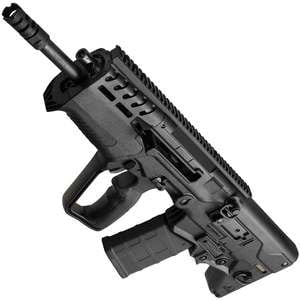
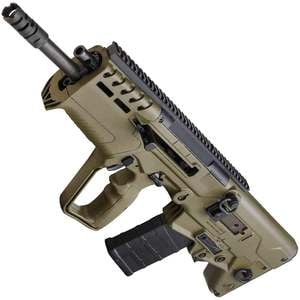
IWI Tavor 7 Bullpup 308 Winchester 16.5in Black Semi Automatic Modern Sporting Rifle - 10+1 Rounds
Ship To Store
Ship to FFL
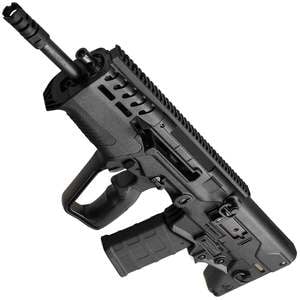
IWI Tavor 7 Bullpup 308 Winchester 16.5in Black Semi Automatic Modern Sporting Rifle - 20+1 Rounds
Ship To Store
Ship to FFL
 Ship To Store
Ship to FFL
Ship To Store
Ship to FFL
 Ship To Store
Ship to FFL
Ship To Store
Ship to FFL
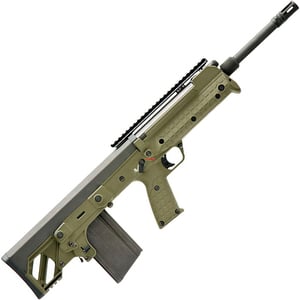
Kel-Tec RFB 308 Winchester 24in Cerakote Green Semi Automatic Modern Sporting Rifle - 20+1 Rounds
Ship To Store
Ship to FFL
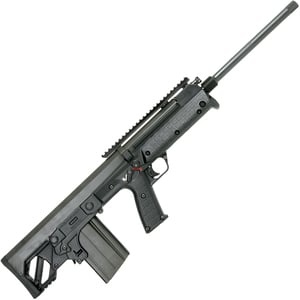
Kel-Tec RFB 308 Winchester 24in Blued/Black Semi Automatic Modern Sporting Rifle - 20+1 Rounds
Ship To Store
Ship to FFL
 Ship To Store
Ship to FFL
Ship To Store
Ship to FFL
 Ship To Store
Ship to FFL
Ship To Store
Ship to FFL
 Ship To Store
Ship to FFL
Ship To Store
Ship to FFL
 Ship To Store
Ship to FFL
Ship To Store
Ship to FFL
 Ship To Store
Ship to FFL
Ship To Store
Ship to FFL
 Ship To Store
Ship to FFL
Ship To Store
Ship to FFL
 Ship To Store
Ship to FFL
Ship To Store
Ship to FFL
 Ship To Store
Ship to FFL
Ship To Store
Ship to FFL
 Ship To Store
Ship to FFL
Ship To Store
Ship to FFL
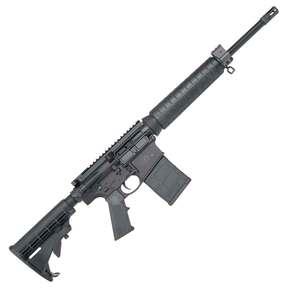
Smith & Wesson M&P 10 Sport OR 308 Winchester 16in Black Semi Automatic Modern Sporting Rifle - 20+1 Rounds
Ship To Store
Ship to FFL
 Ship To Store
Ship to FFL
Ship To Store
Ship to FFL
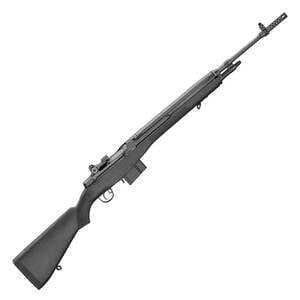
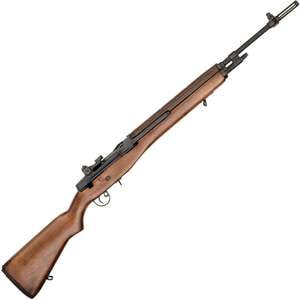
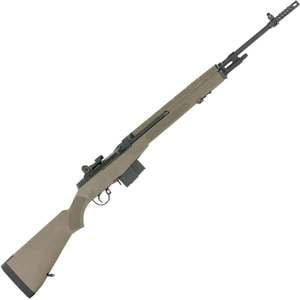
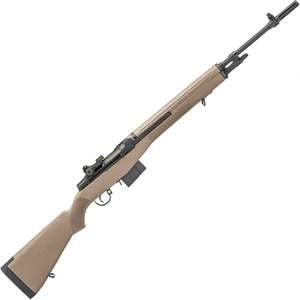
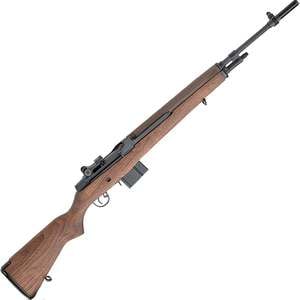
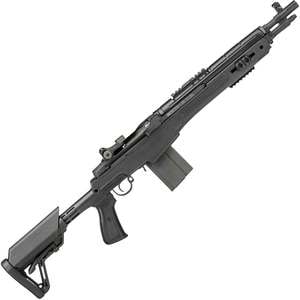
Springfield Armory Loaded M1A 308 Winchester 22in Black Semi Automatic Modern Sporting Rifle - 10+1 Rounds
Ship To Store
Ship to FFL
 Ship To Store
Ship to FFL
Ship To Store
Ship to FFL
 Ship To Store
Ship to FFL
Ship To Store
Ship to FFL
 Ship To Store
Ship to FFL
Ship To Store
Ship to FFL
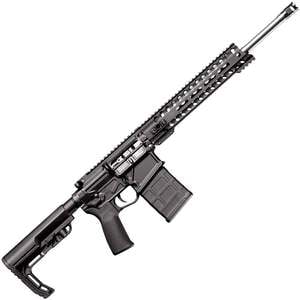
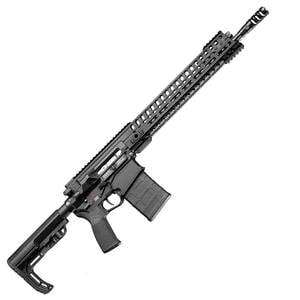
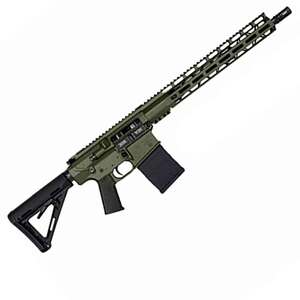
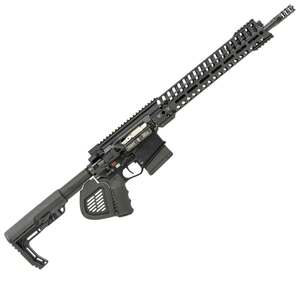
Patriot Ordnance Factory Rogue Direct Impingement Mission First Tactical Stock 308 Winchester 16.5in Black Anodized Semi Automatic Modern Sporting Rifle - 20+1 Rounds
Ship To Store
Ship to FFL
 Ship To Store
Ship to FFL
Ship To Store
Ship to FFL
 Ship To Store
Ship to FFL
Ship To Store
Ship to FFL
 Ship To Store
Ship to FFL
Ship To Store
Ship to FFL
 Ship To Store
Ship to FFL
Ship To Store
Ship to FFL
 Ship To Store
Ship to FFL
Ship To Store
Ship to FFL
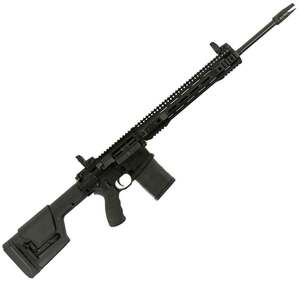
Franklin Armory M4-SBR-M Milita with Pinned & Welded Triumvir Muzzle Device 308 Winchester 14.5in Hard Coat Anodized Semi Automatic Modern Sporting Rifle - 20 Rounds
Ship To Store
Ship to FFL
 Ship To Store
Ship to FFL
Ship To Store
Ship to FFL

Springfield Armory SAINT Victor V2 308 Winchester Black Hardcoat Anodize Semi-automatic Rifle - 16in
Ship To Store
Ship to FFL

Springfield Armory SAINT Victor V2 308 Winchester Coyote Brown Anodized Semi-Automatic Rifle – 16in
Ship To Store
Ship to FFL

Springfield Armory SAINT Victor V2 308 Winchester Black Hardcoat Anodize Semi-automatic Rifle - 20in
Ship To Store
Ship to FFL
An AR-10 is a larger-frame, semi-automatic rifle in the AR family that is typically chambered in .308 Winchester/7.62x51mm NATO rather than 5.56 NATO like the AR-15. It uses a gas-operated, magazine-fed system with similar controls and ergonomics to an AR-15, but with a modified receiver, bolt carrier group, and barrel to handle the more powerful .30-caliber cartridge. This gives the AR-10 significantly more energy and effective range, making it popular for long-range target shooting, hunting medium to large game, and designated marksman or precision roles.
It’s not simply a matter of one being better than the other.
The AR-10, typically chambered in .308 Win/7.62x51, hits much harder and carries that energy much farther, making it a solid choice for long-range work and hunting medium- to large game like elk, hogs and deer. What you’ll experience with an AR-10 is heavier rifle weight, higher-priced ammo, smaller mags and more recoil.
The AR-15 in 5.56/.223 is lighter, softer-recoiling, easier to control for fast follow-ups, and much cheaper to feed. That makes it popular for home defense, training, competition, and general use within roughly 300–500 yards.
For most shooters, that makes the AR-15 the more practical everyday rifle, while the AR-10 comes out when you need more power and reach on steel or big game.
The large‑frame AR‑10 is built around short‑action rifle cartridges, so most rifles are chambered in .308‑length rounds. By far the most common chambering is .308 Winchester/7.62×51 NATO, which is the original AR‑10 cartridge and still the standard you’ll see on the rack and at the ammo counter.
Other popular AR‑10 chamberings include 6.5 Creedmoor, .243 Winchester, .260 Remington, 7mm‑08 Remington, and .338 Federal, all of which are based on the .308 case. Some manufacturers also offer big‑frame ARs in less common or more specialized rounds such as .358 Winchester, 22‑250, .450 Bushmaster, and even .30‑06 or .300 Winchester Magnum in proprietary long‑action builds.
There isn't a single ""most accurate"" AR-10 caliber, but there are a few AR-10 calibers that are easier to shoot accurately than others. Probably the two most common are the 6.5 Creedmoor and .308 Winchester. The 6.5 Creedmoor offers an extremely high ballistic coefficient and flat trajectory, making it highly accurate for long-distance shots out to 1,000+ yards. The AR-10 chambered in the quintessential .308 offers excellent consistency and accuracy out to about 800 yards.
The .308 and 6.5 Creedmoor dominate the AR-10 market due to availability and performance, but AR-10 pattern rifles are also chambered in .243 Winchester, 7mm-08 Remington, 6.5 PRC, .338 Federal, and few less common calibers. Accuracy and performance for these calibers in the AR-10 platform are going to be consistent with general caliber performance for most standard rifle platforms.
Accuracy really comes down to the quality of the rifle itself and ammunition consistency. Barrel quality and harmonics, optics and sight system, trigger quality, bullet weight and powder charge uniformity all impact accuracy. So once you've determined the right caliber for your application, really focus on finding a quality gun from a quality brand (e.g. Daniel Defense, Seekins, Diamondback and Patriot Ordnance Factory).
The average cost of a new AR-10 is roughly 1,500–2,000 dollars for a complete rifle, with budget models starting around 800–1,000 dollars and higher-end or precision builds commonly running 2,000–3,000 dollars or more depending on brand, features and build quality.
Just remember, you get what you pay for. With a higher-end or precision build, you're typically going to be receiving a gun with a higher quality billet receiver and cold hammer forged barrel. A premium barrel alone can run you from $300 to $800. And an AR-10 built for long-range shooting—with a match-grade, free-floating barrel, and tighter chamber tolerance—is also going to be a bit pricier.
When you're looking for a high-quality budget AR-10 rifle that balances price, reliability, and performance, there are a few manufacturers that consistently stand out. Patriot Ordnance Factory, Daniel Defense, Smith & Wesson, and Kel-Tec all build quality, budget friendly AR-10 platforms that won't break the bank.
An AR-10 is especially good for hunting medium to large game and for medium- to long-range target or precision shooting where you want more power and reach than a 5.56 AR-15. Chambered mainly in .308 Winchester and similar .30-caliber or 6.5mm cartridges, it delivers strong terminal performance on deer, elk, hogs, and other big game, while its semi-automatic action and detachable magazines allow quick follow-up shots in the field. The same traits (power, accuracy, and good performance past 600 yards) make it well-suited to roles such as designated marksman rifles, long-range steel shooting, and certain law-enforcement or tactical applications where extra punch and barrier penetration are needed.

