1911 Pistols
(136) Filters
 Ship To Store
Ship to FFL
Ship To Store
Ship to FFL

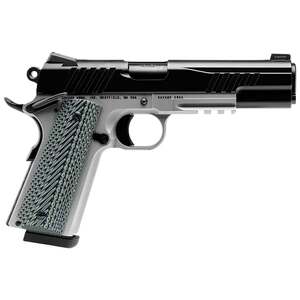
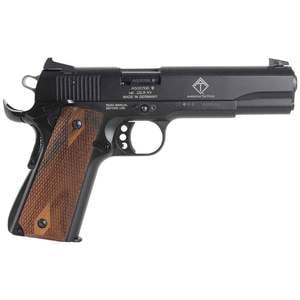
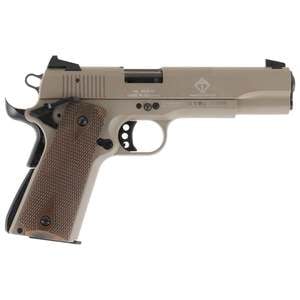
Savage Arms 1911 Government Two-Tone 45 Auto (ACP) 5in Black Nitride Pistol - 8+1 Rounds
Ship To Store
Ship to FFL
 Ship To Store
Ship to FFL
Ship To Store
Ship to FFL
 Ship To Store
Ship to FFL
Ship To Store
Ship to FFL
 Ship To Store
Ship to FFL
Ship To Store
Ship to FFL
 Ship To Store
Ship to FFL
Ship To Store
Ship to FFL
 Ship To Store
Ship to FFL
Ship To Store
Ship to FFL
 Ship To Store
Ship to FFL
Ship To Store
Ship to FFL
 Ship To Store
Ship to FFL
Ship To Store
Ship to FFL
 Ship To Store
Ship to FFL
Ship To Store
Ship to FFL
 Ship To Store
Ship to FFL
Ship To Store
Ship to FFL
 Ship To Store
Ship to FFL
Ship To Store
Ship to FFL
 Ship To Store
Ship to FFL
Ship To Store
Ship to FFL
 Ship To Store
Ship to FFL
Ship To Store
Ship to FFL
 Ship To Store
Ship to FFL
Ship To Store
Ship to FFL

Springfield Armory 1911 DS Prodigy Compact 9mm Luger 4.25in Black Pistol - 15+1 Rounds
Ship To Store
Ship to FFL
 Ship To Store
Ship to FFL
Ship To Store
Ship to FFL

Springfield Armory 1911 DS Prodigy 9mm Luger 4.25in Coyote Brown Cerakote Pistol - 20+1 Rounds
Ship To Store
Ship to FFL
 Ship To Store
Ship to FFL
Ship To Store
Ship to FFL
 Ship To Store
Ship to FFL
Ship To Store
Ship to FFL
 Ship To Store
Ship to FFL
Ship To Store
Ship to FFL
 Ship To Store
Ship to FFL
Ship To Store
Ship to FFL

Kimber 1911 DS Warrior LW Optic Ready 9mm Luger 5in KimPro Black Pistol - 20+1 Rounds
Ship To Store
Ship to FFL

Springfield Armory 1911 DS Prodigy AOS 9mm Luger 5in Coyote Brown Cerakote Pistol - 20+1 Rounds
Ship To Store
Ship to FFL

Springfield Armory 1911 DS Prodigy Comp AOS 9mm Luger 5in Coyote Brown Cerakote Pistol - 20+1 Rounds
Ship To Store
Ship to FFL
 Ship To Store
Ship to FFL
Ship To Store
Ship to FFL
 In Select Stores
 Ship to FFL

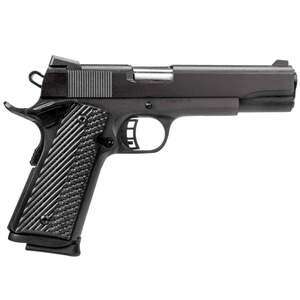
Kimber 1911 Custom LW Liberty 45 Auto (ACP) 5in KimPro Pistol - 7+1 Rounds
Pick Up in Store
Ship to FFL
 In Select Stores
Ship to FFL
In Select Stores
Ship to FFL
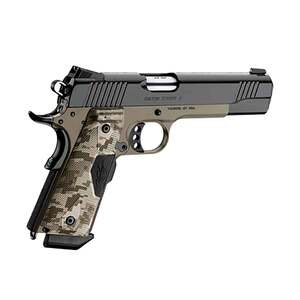
Kimber Custom Covert 45 Auto (ACP) 5in Charcoal Gray Pistol - 7+1 Rounds
In Select Stores
Ship to FFL
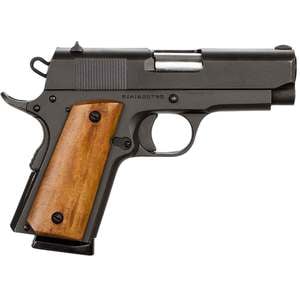
Rock Island M1911 GI Standard 45 Auto (ACP) 3.5in Black Pistol - 7+1 Rounds - California Compliant
In Select Stores
Ship to FFL
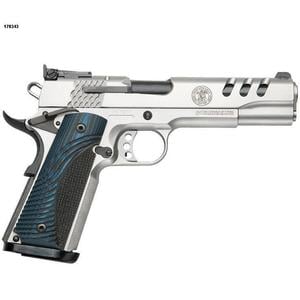
Smith & Wesson 1911 Performance Center 45 Auto (ACP) 5in Matte Stainless Pistol - 8+1 Rounds
In Select Stores
Ship to FFL
 In Select Stores
Ship to FFL
In Select Stores
Ship to FFL
Springfield Armory 1911 Ronin 10mm Auto 5in Stainless Steel Pistol - 8+1 Rounds
In Select Stores
Ship to FFL


Rock Island Armory Tac Ultra Pistol
In Select Stores
Ship to FFL

Rock Island Armory M1911 GI Standard 45 Auto (ACP) 5in Parkerized Pistol - 8+1 Rounds
In Select Stores
Ship to FFL
 In Select Stores
Ship to FFL
In Select Stores
Ship to FFL
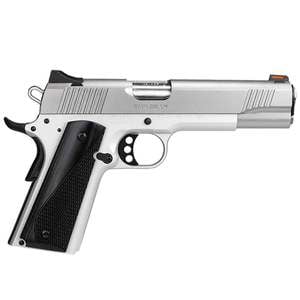
Kimber Stainless LW Arctic 45 Auto (ACP) 5in Stainless Pistol - 8+1 Rounds
Ship To Store
Ship to FFL
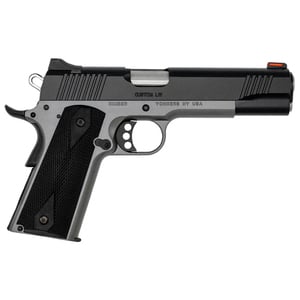
Kimber Custom LW Shadow Ghost 45 Auto (ACP) 5in Black/Silver Pistol - 8+1 Rounds
Ship To Store
Ship to FFL
 In Select Stores
Ship to FFL
In Select Stores
Ship to FFL
 In Select Stores
Ship to FFL
In Select Stores
Ship to FFL

Springfield Armory 1911 DS Prodigy 9mm Luger 3.5in Black Pistol - 15+1 Rounds
In Select Stores
Ship to FFL
The 1911 is an iconic American semi-automatic pistol developed by John Moses Browning. It was adopted as the standard issue sidearm by the United States military in the year 1911 (hence the name) and it remained in this role until 1986, when it was replaced by the Beretta M9.
Mechanically, the 1911 operates utilizing a recoil-tilting barrel design, and it has traditionally been loaded with a single column magazine that holds 7 or 8 cartridges of .45 ACP (though other calibers are widely available in 1911s made today as well).
The 1911 is notable for its triple safety feature: a thumb operated manual safety that physically locks the trigger, a grip safety located at the rear strap of the pistol that needs to be pressed down to allow firing, and a half-cock position on the hammer that will catch it in case there is a failure of the sear.
Pick up a 1911 and you’ll feel it immediately. The 1911 just handles and shoots differently than any other pistol.
Specifically, the 1911 has a light and crisp single action trigger pull of 3.5 to 5 pounds that is much lighter than the triggers on most other duty handguns. 1911s are also very narrow thanks to the thin 1.3-inch grip, which is why they can be concealed easily and can accommodate shooters with smaller hand sizes. The heavy metal frame and low bore axis of the 1911 greatly reduces muzzle flip and makes it a very controllable weapon to fire.
The 1911 is also one of the most historically significant pistols ever invented. This is the pistol that was carried onto Omaha Beach during D-Day and crossed island after island in the Pacific, and its design has influenced countless other handguns that came after it.
There are three basic models of 1911s based on their barrel lengths and frame sizes:
The Government-sized model is the original Browning design and has a 5-inch barrel. It remains the gold standard among 1911s for accuracy, competition, and range work.
The Commander-sized model reduces the barrel length to 4.25-inches while keeping the same frame and grip of a Government-model. The Commander is slightly lighter than the Government and easier to conceal.
The Officer-sized models have either a 3 to 3.5 inch barrel and a shortened grip with a slightly smaller magazine size. These pistols are intended almost exclusively for concealed carry use.
The .45 ACP is the iconic 1911 caliber. John Browning designed the pistol around it and shooting a 1911 in .45 delivers the classic experience the platform was built for. The big 230-grain bullet is remarkably controllable in an all-steel frame and remains the traditionalist's choice.
The 9mm has exploded in popularity among 1911 shooters in recent decades thanks to softer recoil, ammo that costs roughly half as much as .45, and one or two extra rounds per magazine.
The 10mm Auto is a powerhouse cartridge that is beloved by hunters and outdoorsmen in 1911s primarily for defense against dangerous game.
The .38 Super is a high-velocity caliber with flat trajectory and low recoil, which is why it’s a well-respected favorite of competitors shooting in the IPSC and USPSA Open Division.
Additional calibers that 1911s are offered in include .22 LR, .22 TCM, .40 S&W, and .460 Rowland.
Start with intended use, because this drives every other decision. A full-size Government in either .45 ACP or 9mm is hard to beat for range, competition, or home defense thanks to its longer sight radius and softer recoil.
For everyday carry, a Commander hits the sweet spot between shootability and concealability. An Officer-size gun will disappear the easiest underneath a T-shirt, but at the cost of much snappier recoil.
Once size is settled, check the fundamentals. The slide-to-frame fit of a 1911 should feel snug with no rattle when you shake it. The trigger should break cleanly without grit or creep; this is precisely where 1911s either shine or disappoint.
Make sure that the thumb and grip safeties engage positively and look for a flared ejection port (for improved reliability) as well.

