Bolt Action Rifles
(1608)- Bolt Action
 Filters
 Ship To Store
Ship to FFL
Ship To Store
Ship to FFL
 Ship To Store
Ship to FFL
Ship To Store
Ship to FFL
 Ship To Store
Ship to FFL
Ship To Store
Ship to FFL
 Ship To Store
Ship to FFL
Ship To Store
Ship to FFL

Savage 110 Trail Blazer XP 7mm-08 Remington Flat Dark Gray Left Hand Bolt Action Rifle - 20in
Ship To Store
Ship to FFL
 Ship To Store
Ship to FFL
Ship To Store
Ship to FFL
 Ship To Store
Ship to FFL
Ship To Store
Ship to FFL
 Ship To Store
Ship to FFL
Ship To Store
Ship to FFL
 Ship To Store
Ship to FFL
Ship To Store
Ship to FFL
 Ship To Store
Ship to FFL
Ship To Store
Ship to FFL
 Ship To Store
Ship to FFL
Ship To Store
Ship to FFL
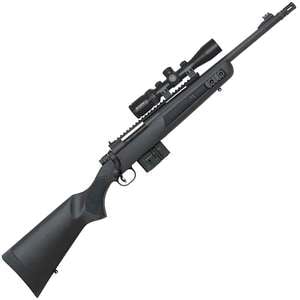
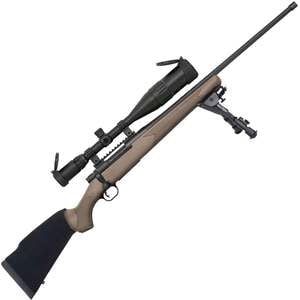
Mossberg MVP Scout Rifle Vortex Scope 7.62mm NATO Matte Blued Combo Bolt Action Rifle - 16.25in
Ship To Store
Ship to FFL
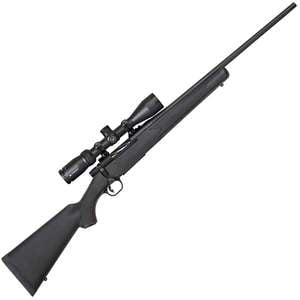
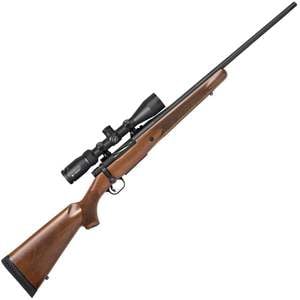
Mossberg Patriot 6.5 Creedmoor Walnut With Vortex Crossfire II Scope Blued Bolt Action Rifle
Ship To Store
Ship to FFL
 Ship To Store
Ship to FFL
Ship To Store
Ship to FFL
 Ship To Store
Ship to FFL
Ship To Store
Ship to FFL
 Ship To Store
Ship to FFL
Ship To Store
Ship to FFL
 Ship To Store
Ship to FFL
Ship To Store
Ship to FFL
 Ship To Store
Ship to FFL
Ship To Store
Ship to FFL
 Ship To Store
Ship to FFL
Ship To Store
Ship to FFL
 Ship To Store
Ship to FFL
Ship To Store
Ship to FFL
 Ship To Store
Ship to FFL
Ship To Store
Ship to FFL
 Ship To Store
Ship to FFL
Ship To Store
Ship to FFL
 Ship To Store
Ship to FFL
Ship To Store
Ship to FFL
 Ship To Store
Ship to FFL
Ship To Store
Ship to FFL
 Ship To Store
Ship to FFL
Ship To Store
Ship to FFL
 Ship To Store
Ship to FFL
Ship To Store
Ship to FFL
 Ship To Store
Ship to FFL
Ship To Store
Ship to FFL
 Ship To Store
Ship to FFL
Ship To Store
Ship to FFL
 Ship To Store
Ship to FFL
Ship To Store
Ship to FFL
 Ship To Store
Ship to FFL
Ship To Store
Ship to FFL
 Ship To Store
Ship to FFL
Ship To Store
Ship to FFL

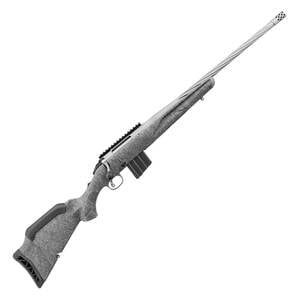
Ruger American Generation II 270 Winchester Gun Metal Gray Cerakote Bolt Action Rifle - 20in
Ship To Store
Ship to FFL
 Ship To Store
Ship to FFL
Ship To Store
Ship to FFL
 Ship To Store
Ship to FFL
Ship To Store
Ship to FFL
 Ship To Store
Ship to FFL
Ship To Store
Ship to FFL
 Ship To Store
Ship to FFL
Ship To Store
Ship to FFL
 Ship To Store
Ship to FFL
Ship To Store
Ship to FFL
 Ship To Store
Ship to FFL
Ship To Store
Ship to FFL
 Ship To Store
Ship to FFL
Ship To Store
Ship to FFL
 Ship To Store
Ship to FFL
Ship To Store
Ship to FFL
A bolt action rifle is one of the best rifles you can use for precision shooting at long distances. It can lock a cartridge much more tightly into the chamber than other rifle types can. As the round is seated, the bolt will turn down two or three large locking lugs (or a similar type of locking mechanism) that are located in the receiver. This provides the necessary rigidity to consistently place precise shots on target at long distances.
All there is to fail is the barrel. There is no gas system, no buffer spring, and no timing system that can go out of spec.
Additionally, bolt actions can chamber and shoot an exceptionally wide variety of calibers, including belted Magnum cartridges that cannot be fed by most semi-automatic rifles.
If you’re trying to shoot a white-tailed buck at 300 yards or a steel plate at 600 yards, go with a bolt action. You’ll get greater accuracy per dollar spent, a lighter trigger pull, and access to a much wider array of calibers than can be chambered with a semi-automatic rifle.
Alternatively, if you’re trying to shoot at 80 yards, go with a semi-automatic gas operated rifle. The gas operation helps bleed away some of the recoil and allows for faster follow-up shots.
Bolt guns reward patience and deliberate shot placement. Semi-autos reward volume. Many people end up owning at least one of each, and for good reason.
There are many popular models of bolt-action rifles, but some of the most common include the following:
The Remington 700 is the best-selling bolt-action rifle in American history, and it by far has the most aftermarket parts (stock, trigger, barrel, chassis, etc.) available.
Another popular option is the Tikka T3x family, which is the smoothest operating bolt action on the market and comes with a sub-MOA guarantee.
The Savage 110 family is the longest continuously produced series of bolt-action rifles in America, and comes standard with an AccuRelease trigger that’s designed to prevent accidental discharges.
The Ruger American family of rifles are enormously popular for people who want to buy a quality hunting rifle in the sub-$500 range.
The Winchester Model 70 family of rifles has also long been enormously popular. The Model 70 is commonly referred to as the ""Rifleman's Rifle"" and utilizes a robust Mauser-style controlled round feed action.
Match your cartridge to the animal you are shooting at and how far away it is from you. Then determine what your shoulders can handle (and what your wallet can handle as well!).
For the biggest game like brown bear or moose, you’ll want to go with a more powerful round like .338 Win Mag, .300 Win Mag, or 7mm Rem Mag.
For game like deer, elk, or black bear, calibers like the 6.5 Creedmoor, .270 Winchester, .308 Winchester, and .30-06 Springfield will not let you down. All of these rounds are easily found in every small town hardware store across America.
If you’re concerned about recoil or if you have younger shooters, go with a smaller caliber like the .243 Winchester.
Shoulder it before anything else. Your eye should land behind the scope naturally with no head-craning, and the safety and bolt handle should fall under your thumb without breaking your grip.
Next, pull back on the trigger (dry fire) and see if the break is smooth or if it feels like the trigger is dragging.
Last but not least, the weight of the rifle will be the most important thing when you get out there and start shooting. A ten pound rifle may be very stable while sitting on a bench rest, but it will become much less pleasant when you’re packing it out in the woods on a hunt!

